Type 1 Diabetes Market Epidemiology, Pipeline Therapies, New Technology, and Opportunity 2025-2035

How big is the market for type 1 diabetes?

The type 1 diabetes market size reached a value of USD 5.9 Billion across the top 7 markets (US, EU4, UK, and Japan) in 2024. Looking forward, IMARC Group expects the top 7 major markets to reach USD 9.6 Billion by 2035, exhibiting a growth rate (CAGR) of 4.65% during 2025-2035

The Type 1 Diabetes market is steadily growing in 2025 as medical professionals and patients alike look for improved means to treat this recurring disease. Type 1 Diabetes is an autoimmune disease in which the immune system of the body mistakenly targets cells that produce insulin in the pancreas. The result is that the body experiences a total deficit of insulin such that the subjects have to become dependent on insulin therapy throughout life.

  • Rising Global Incidence:
    • Increased awareness, earlier diagnosis, and improved access to insulin therapy are contributing to the growing number of diagnosed cases, especially among children and adolescents.
    • The market is also driven by rising investments in:
      • Clinical research
      • Drug development
      • Digital health technologies for better diabetes management and monitoring

Request for a sample of this report: https://www.imarcgroup.com/type-1-diabetes-market/requestsample


Key Market Developments

  • Advancements in Insulin Delivery:
    • Traditional insulin injections are being replaced or complemented by:
      • Insulin pumps
      • Smart insulin pens
    • These tools allow for:
      • More precise insulin dosing
      • Greater lifestyle flexibility
    • There is growing demand for:
      • Easy-to-use
      • Minimally invasive
      • More comfortable insulin delivery systems
    • These innovations help patients stick to their treatment and improve overall health outcomes.
  • New Therapies: Immunotherapy & Biologics:
    • Scientists are working on experimental treatments such as:
      • Immunotherapy
      • Biologic therapies
    • Goals of these therapies:
      • Address the root cause by modifying the immune system
      • Protect remaining insulin-producing cells
      • Slow or stop disease progression
    • Early clinical trials are showing promising results.
  • Digital Health and Smart Technology:
    • Technology is playing a key role in modern diabetes care, including:
      • Smartphone apps
      • Wearable fitness and health trackers
      • Cloud-based data platforms
    • Benefits include:
      • Real-time glucose tracking
      • Remote doctor consultations
      • Personalized, data-driven treatment decisions
      • Greater control over daily health routines

If you need specific information that is not currently within the scope of the report, we will provide it to you as a part of the customization.

About Us:

IMARC Group is a global management consulting firm that helps the world’s most ambitious changemakers to create a lasting impact. The company provide a comprehensive suite of market entry and expansion services. IMARC offerings include thorough market assessment, feasibility studies, company incorporation assistance, factory setup support, regulatory approvals and licensing navigation, branding, marketing and sales strategies, competitive landscape and benchmarking analyses, pricing and cost research, and procurement research.

Contact US:

IMARC Group
134 N 4th St. Brooklyn, NY 11249, USA
Email: sales@imarcgroup.com
Tel No:(D) +91 120 433 0800
United States: +1-631-791-1145
India Industrial Robotics Market Report 2025 Edition: Industry Market Size, Share, Growth and Competitor Analysis

India Industrial Robotics Market Report 2025 Edition: Industry Market Size, Share, Growth and Competitor Analysis

Market Overview 2025-2033

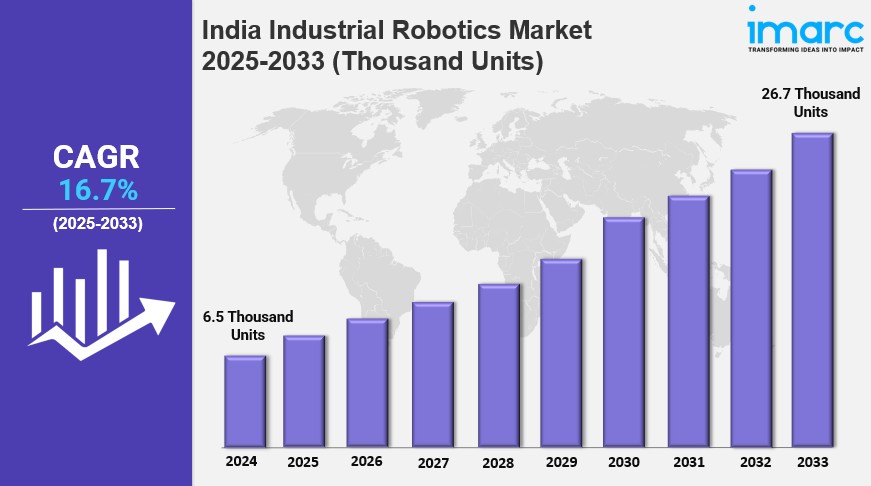
The India industrial robotics market size reached 6.5 Thousand Units in ​2024​. Looking forward, IMARC Group expects the market to reach 26.7 Thousand Units by ​2033​, exhibiting a growth rate (CAGR) of 16.7% during ​2025-2033. The market is experiencing rapid growth, driven by increasing automation adoption, labor cost optimization, and advancements in AI-driven robotics. Key trends include the rising demand for collaborative robots (cobots) and Industry 4.0 integration, with major players focusing on precision manufacturing, enhanced efficiency, and scalable robotic solutions.

Key Market Highlights:

✔️ Strong growth driven by automation adoption & manufacturing efficiency
✔️ Rising demand for collaborative robots (cobots) in various industries
✔️ Increasing integration of AI and IoT in industrial robotics solutions

Request for a sample copy of this report: https://www.imarcgroup.com/india-industrial-robotics-market/requestsample

India Industrial Robotics Market Trends and Drivers:

The India industrial robotics market is experiencing rapid growth as industries increasingly embrace automation to enhance productivity and efficiency. Key sectors such as automotive, electronics, and pharmaceuticals are leveraging industrial robotics to optimize operations, improve precision, and accelerate production processes. The rising demand for smart manufacturing solutions, along with advancements in artificial intelligence (AI) and the Internet of Things (IoT), is further propelling the adoption of industrial robots in India. As companies strive to reduce operational costs and boost competitiveness, the industrial robotics market is poised for significant expansion in the coming years. The adoption of robotics not only lowers labor costs but also minimizes human error, resulting in higher quality products. As businesses recognize the long-term benefits of automation, investment in robotic technology is expected to surge. This shift is further supported by government initiatives, such as the “Make in India” campaign, which encourages the integration of advanced technologies within domestic industries.

Another dynamic influencing the India industrial robotics market is the growing demand for customization and flexibility in production processes. With shifting consumer preferences and a trend towards personalized products, manufacturers are compelled to adopt flexible manufacturing systems that can quickly adapt to new requirements. Robotics plays a vital role in this transition, offering solutions that can be easily reprogrammed or reconfigured for different tasks. This adaptability enables companies to respond swiftly to market changes without incurring significant downtime. Consequently, the demand for collaborative robots (cobots) and modular robotic systems is increasing, allowing businesses to maintain competitiveness in an ever-evolving marketplace.

The integration of industrial robotics into the workforce has also led to a heightened emphasis on skill development and training programs. As robotics technologies advance, there is an urgent need for a skilled workforce capable of operating and maintaining these sophisticated systems. Educational institutions and industry players are collaborating to create training programs that equip workers with the necessary skills to thrive in a robotic-enhanced environment. This focus on skill development not only addresses the talent gap but also fosters a culture of innovation within organizations. By investing in workforce training, companies can ensure that their employees are well-prepared to leverage robotic technologies, ultimately driving growth and enhancing productivity in the industrial sector.

The India industrial robotics market is set for substantial growth, driven by several key trends reshaping the landscape. A notable trend is the increasing integration of AI and machine learning (ML) into robotic systems, enhancing their capabilities and efficiency. By 2025, the combination of AI with robotics is expected to revolutionize manufacturing processes, enabling smarter decision-making and predictive maintenance. Additionally, the rise of Industry 4.0 is facilitating the adoption of IoT in robotics, allowing for seamless communication between machines and systems. This connectivity is essential for optimizing production flows and reducing operational costs. Furthermore, the emphasis on sustainability is pushing companies to adopt energy-efficient robotic solutions, aligning with global environmental goals. As these trends continue to evolve, the India industrial robotics market is poised for transformation, improving operational efficiency and positioning the country as a key player in the global robotics arena.

India Industrial Robotics Market Segmentation:

The report segments the market based on product type, distribution channel, and region:

Study Period:

Base Year: 2024

Historical Year: 2019-2024

Forecast Year: 2025-2033

Breakup by Type:

  • Articulated Robots
  • Cartesian Robots
  • SCARA Robots
  • Cylindrical Robots
  • Parallel Robots
  • Others

Breakup by Function:

  • Soldering and Welding
  • Materials Handling
  • Assembling and Disassembling
  • Painting and Dispensing
  • Milling, Cutting and Processing
  • Others

Breakup by End Use Industry:

  • Automotive
  • Electrical and Electronics
  • Chemical, Rubber, and Plastics
  • Machinery and Metals
  • Food and Beverages
  • Precision and Optics
  • Pharmaceutical
  • Others

Breakup by Region:

  • North India
  • West and Central India
  • South India
  • East and Northeast India

Competitive Landscape:

The market research report offers an in-depth analysis of the competitive landscape, covering market structure, key player positioning, top winning strategies, a competitive dashboard, and a company evaluation quadrant. Additionally, detailed profiles of all major companies are included.

Contact Us: 

IMARC Group

134 N 4th St. Brooklyn, NY 11249, USA

Email: sales@imarcgroup.com

Tel No:(D) +91 120 433 0800

United States: +1-631-791-1145
India Modified Starch Market Size, Demands, Growth Analysis, Industry Report 2025-2033

India Modified Starch Market Size, Demands, Growth Analysis, Industry Report 2025-2033

Market Overview 2025-2033

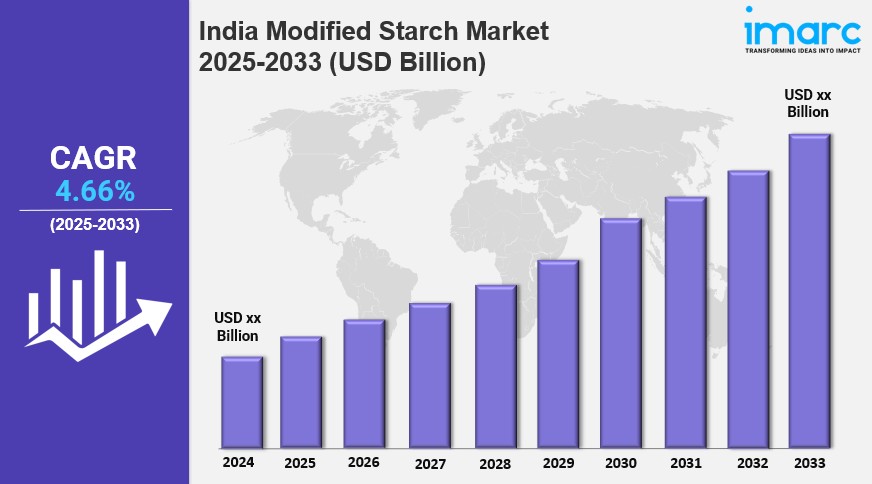
The India modified starch market size is projected to exhibit a growth rate (CAGR) of 4.66% during 2025-2033. The market is witnessing significant growth, fueled by rising demand from the food, pharmaceutical, and textile industries. Key trends include increased adoption in processed foods and biodegradable packaging, with major players emphasizing innovation and sustainable production methods. 

Key Market Highlights:

✔️ Strong market expansion driven by growing industrial applications & evolving consumer preferences
✔️ Increasing utilization in processed foods, pharmaceuticals, and textiles
✔️ Growing focus on sustainable and innovative starch-based solutions

Request for a sample copy of this report: https://www.imarcgroup.com/india-modified-starch-market/requestsample

India Modified Starch Market Trends and Drivers:

The India modified starch market is experiencing rapid growth, primarily driven by increasing demand from the food and beverage industry. As consumer preferences shift towards convenience and processed foods, modified starches have become vital as thickeners, stabilizers, and gelling agents in products such as sauces, dressings, and dairy items. With ongoing urbanization, there is a growing inclination among consumers for ready-to-eat meals and packaged foods, which frequently incorporate modified starches to enhance texture and extend shelf life. Additionally, the trend towards healthier eating is influencing the market, prompting manufacturers to reformulate products using modified starches that provide clean label benefits without sacrificing taste or quality. This rising demand is further supported by the expansion of organized retail and online grocery platforms, making it easier for consumers to access a variety of modified starch-containing products.

Technological advancements in starch modification processes are significantly shaping the landscape of the India modified starch market. Innovations in enzymatic and chemical modification techniques have led to a diverse range of modified starches with tailored functionalities to meet specific industry needs. For instance, the introduction of non-GMO and organic modified starches aligns with the increasing consumer demand for clean label and sustainable food products. Furthermore, advancements in processing technologies enable manufacturers to produce modified starches with improved performance characteristics, such as enhanced viscosity and stability under varying temperature and pH conditions. As companies continue to invest in research and development, the availability of innovative modified starch products is expected to grow, driving market expansion and attracting new applications across various sectors, including pharmaceuticals and textiles.

The regulatory environment surrounding food additives, including modified starches, plays a crucial role in shaping market dynamics in India. With heightened scrutiny on food safety and quality, regulatory bodies are establishing stringent guidelines for the use of modified starches in food products. This has prompted manufacturers to prioritize compliance and transparency in their sourcing and production processes. Additionally, sustainability concerns are gaining prominence, with consumers and stakeholders advocating for environmentally friendly practices. As a result, many companies are exploring sustainable sourcing of raw materials, such as corn and tapioca, while adopting eco-friendly manufacturing processes. This shift towards sustainability not only addresses consumer demand but also positions companies favorably in a competitive market, paving the way for long-term growth in the modified starch sector.

The India modified starch market is poised for robust growth, driven by a combination of expanding industrial applications and evolving consumer preferences. By 2025, significant demand increases are anticipated from the food and beverage sector, where modified starches are valued for their functional properties, including thickening, emulsifying, and stabilizing. This trend is further supported by the rising popularity of convenience foods, as more consumers opt for ready-to-eat and processed items that require modified starches for enhanced texture and mouthfeel. Moreover, the pharmaceutical and cosmetics industries are also recognizing the versatility of modified starches, leading to increased adoption in formulations. The market is bolstered by technological advancements that facilitate the development of customized starch products catering to specific industry needs. As manufacturers innovate and diversify their product offerings, the modified starch market in India is set to thrive, reflecting broader trends in health, convenience, and sustainability.

India Modified Starch Market Segmentation:

The report segments the market based on product type, distribution channel, and region:

Study Period:

Base Year: 2024

Historical Year: 2019-2024

Forecast Year: 2025-2033

Breakup by Raw Material:

  • Corn
  • Cassava
  • Wheat
  • Potato
  • Others

Breakup by Type:

  • Starch Esters and Ethers
  • Resistant
  • Cationic
  • Pre-Gelatinized
  • Others

Breakup by Function:

  • Thickeners
  • Stabilizers
  • Binders
  • Emulsifiers
  • Others

Breakup by Application:

  • Food and Beverages
  • Animal Feed
  • Paper
  • Pharmaceuticals
  • Textiles
  • Others

Breakup by Region:

  • North India
  • West and Central India
  • South India
  • East and Northeast India

Competitive Landscape:

The market research report offers an in-depth analysis of the competitive landscape, covering market structure, key player positioning, top winning strategies, a competitive dashboard, and a company evaluation quadrant. Additionally, detailed profiles of all major companies are included.

Contact Us: 

IMARC Group

134 N 4th St. Brooklyn, NY 11249, USA

Email: sales@imarcgroup.com

Tel No:(D) +91 120 433 0800

United States: +1-631-791-1145
India Switchgear Market Size, Share, Growth, Trends Analysis, Report 2025-2033

India Switchgear Market Size, Share, Growth, Trends Analysis, Report 2025-2033

Market Overview 2025-2033

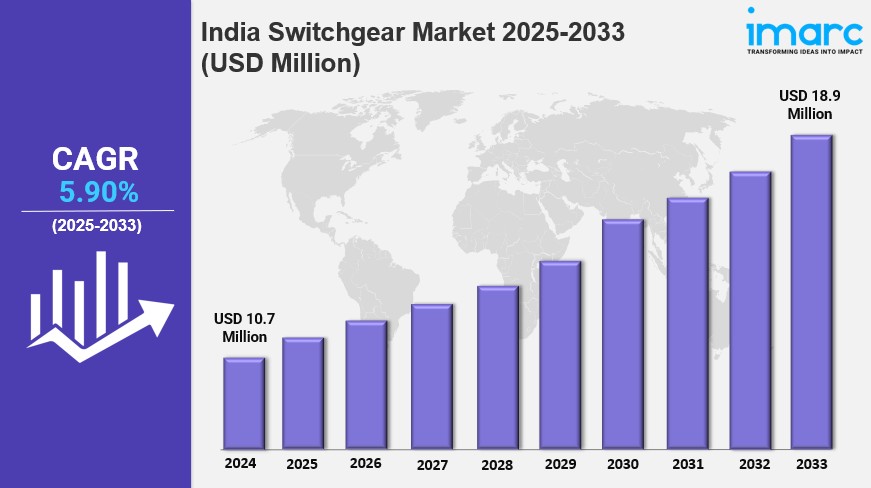
The switchgear market size in India reached USD 10.7 Million in 2024. Looking forward, IMARC Group expects the market to reach USD 18.9 Million by 2033, exhibiting a growth rate (CAGR) of 5.90% during 2025-2033. The market is growing rapidly, driven by increasing electricity demand, urbanization, and infrastructure development. Key trends include a shift toward smart and digital switchgear, rising investments in renewable energy integration, and advancements in safety features.

Key Market Highlights:

✔️ Strong growth driven by rising electricity demand & urbanization
✔️ Increasing adoption of smart and digital switchgear solutions
✔️ Growing focus on renewable energy integration and grid modernization
✔️ Advancements in safety features and compact switchgear designs
✔️ Expanding investments in industrial and infrastructure development

Request for a sample copy of the report: https://www.imarcgroup.com/india-switchgear-market/requestsample

India Switchgear Market Trends and Drivers:

The transition to renewable energy sources is a crucial factor influencing the India switchgear market. With the government’s ambitious goal of increasing the renewable energy share in the energy mix, investments in solar and wind energy projects are skyrocketing. This shift requires advanced switchgear solutions capable of efficiently managing fluctuating loads and integrating renewable energy into the grid. As India targets 450 GW of renewable energy capacity by 2030, the demand for switchgear that can handle high voltages and ensure safety is becoming increasingly important. Additionally, the growing focus on smart grids and energy management systems is driving the need for innovative switchgear technologies that enhance operational efficiency and reliability. This trend not only boosts the switchgear market but also aligns with India’s commitment to reducing carbon emissions and promoting sustainable energy practices.

Rapid urbanization and infrastructure development are also key dynamics shaping the switchgear market in India. As cities expand and new urban centers emerge, there is a heightened demand for reliable electrical infrastructure to support residential, commercial, and industrial needs. Government initiatives, such as the Smart Cities Mission and Housing for All, are accelerating infrastructure projects that require robust electrical systems, including switchgear. The increasing urban population necessitates efficient power distribution and management solutions, leading to a greater uptake of medium and low-voltage switchgear. Furthermore, the surge in construction activities in metropolitan areas requires the installation of advanced switchgear to ensure safety and compliance with modern electrical standards. As urbanization continues, the demand for switchgear solutions that can accommodate high load capacities and provide seamless power distribution will remain strong.

Technological advancements are revolutionizing the switchgear landscape in India, pushing the market toward smarter and more efficient solutions. Innovations like digital switchgear, which integrates IoT capabilities, enable real-time monitoring and control of electrical systems. These smart solutions enhance operational efficiency, reduce downtime, and improve maintenance practices, addressing the evolving needs of the energy sector. As utilities and industries strive to optimize operations and cut costs, the adoption of intelligent switchgear is becoming increasingly common. Additionally, advancements in materials and design are leading to the creation of compact and lightweight switchgear, particularly beneficial in space-constrained environments.

As the market shifts toward automation and digitalization, the demand for technologically advanced switchgear solutions is expected to grow, positioning India as a key player in the global switchgear market. The India switchgear market is currently experiencing significant trends driven by various factors, including regulatory changes, technological advancements, and shifting consumer preferences. A prominent trend is the increasing focus on energy efficiency and sustainability. With the government’s commitment to a cleaner energy future, there is a strong push for the adoption of energy-efficient switchgear solutions that minimize losses and enhance grid reliability. This trend is further supported by initiatives aimed at promoting renewable energy, which require switchgear that can seamlessly integrate with solar and wind power systems.

Moreover, the market is witnessing a shift toward digitalization, with more utilities and industries investing in smart switchgear that allows for real-time monitoring and predictive maintenance. By 2025, the integration of IoT and AI technologies in switchgear is set to revolutionize the management of electrical systems, providing enhanced operational insights and minimizing downtime. Additionally, the demand for modular and scalable switchgear systems is increasing, offering flexibility in design and installation to meet the diverse needs of various sectors. As the market evolves, these trends will significantly shape the future of the Indian switchgear market, driving innovation and growth in the coming years.

India Switchgear Market Segmentation:

The report segments the market based on product type, distribution channel, and region:

Study Period:

Base Year: 2024

Historical Year: 2019-2024

Forecast Year: 2025-2033

Breakup by Voltage Type:

  • Low-Voltage
  • Medium-Voltage
  • High-Voltage

Breakup by Insulation:

  • Gas Insulated Switchgear (GIS)
  • Air Insulated Switchgear (AIS)
  • Others

Breakup by Installation:

  • Indoor
  • Outdoor

Breakup by End Use:

  • Commercial
  • Residential
  • Industrial

Breakup by Region:

  • North India
  • West and Central India
  • South India
  • East India

Competitive Landscape:

The market research report offers an in-depth analysis of the competitive landscape, covering market structure, key player positioning, top winning strategies, a competitive dashboard, and a company evaluation quadrant. Additionally, detailed profiles of all major companies are included.

Contact Us: 

IMARC Group

134 N 4th St. Brooklyn, NY 11249, USA

Email: sales@imarcgroup.com

Tel No:(D) +91 120 433 0800

United States: +1-631-791-1145
India Payment Gateways Market Size Worth USD 4,125.0 Million by 2033 | CAGR: 9.70%: IMARC Group

India Payment Gateways Market Size Worth USD 4,125.0 Million by 2033 | CAGR: 9.70%: IMARC Group

Market Overview 2025-2033

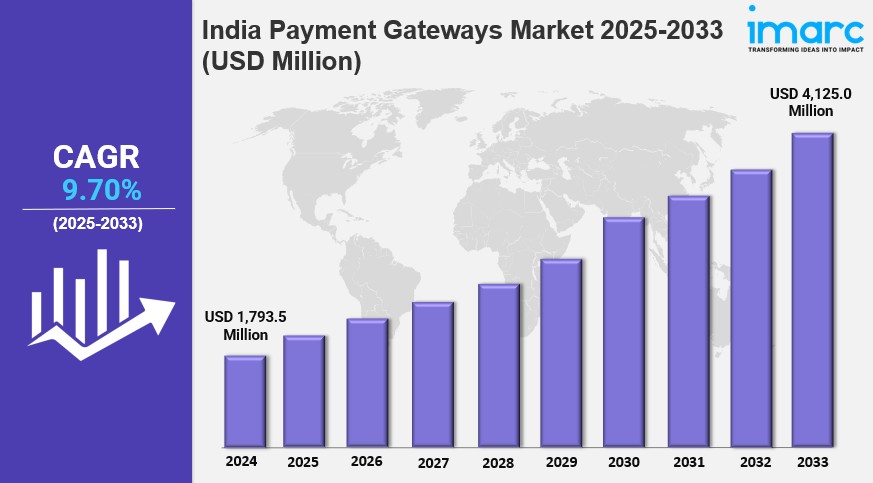
The payment gateway market in India size reached USD 1,793.5 Million in 2024. Looking forward, IMARC Group expects the market to reach USD 4,125.0 Million by 2033, exhibiting a growth rate (CAGR) of 9.70% during 2025-2033. The market is witnessing significant expansion, fueled by the surge in digital transactions, e-commerce growth, and government initiatives promoting cashless payments. Key trends include the adoption of UPI-based solutions, enhanced security features, and seamless integration with various payment methods. Leading players are focusing on AI-driven fraud detection, faster transaction processing, and user-friendly interfaces to improve the payment experience.

Key Market Highlights:

✔️ Strong growth driven by digital transactions & e-commerce expansion
✔️ Rapid adoption of UPI and contactless payment solutions
✔️ Enhanced security measures and AI-driven fraud prevention
✔️ Growing fintech ecosystem fostering innovation & partnerships
✔️ Increasing smartphone penetration boosting digital payment adoption
✔️ Seamless integration with multiple payment methods for user convenience

Request for a sample copy of the report: https://www.imarcgroup.com/india-payment-gateways-market/requestsample

India Payment Gateways Market Trends and Drivers:

The India payment gateways market is experiencing a significant surge in digital payments, fueled by the increasing penetration of smartphones and internet connectivity. With a rapidly growing population of tech-savvy consumers, more individuals are opting for cashless transactions. The government’s push for a digital economy, particularly through initiatives like Digital India, has further accelerated this trend. As consumers become more comfortable with online transactions, businesses are compelled to adopt payment gateways that offer secure, seamless, and user-friendly experiences. This shift is particularly evident in sectors such as e-commerce, where online shopping has become the norm. The convenience of digital payments, along with various options like UPI, wallets, and credit/debit cards, has made payment gateways essential for businesses aiming to thrive in a competitive landscape. Consequently, the demand for robust and versatile payment gateway solutions is expected to grow, supporting a diverse range of transaction methods and enhancing overall customer satisfaction.

The rapid growth of e-commerce in India is another critical factor shaping the payment gateways market. As more consumers turn to online shopping for convenience and variety, businesses increasingly rely on efficient payment solutions to facilitate these transactions. The COVID-19 pandemic has further accelerated this shift, as lockdowns and social distancing measures prompted consumers to embrace online shopping. This trend has led to a surge in demand for payment gateways capable of handling high transaction volumes and providing secure payment processing. Additionally, the rise of online services—such as food delivery, ride-hailing, and digital subscriptions—has created a need for versatile payment solutions that cater to diverse business models. Payment gateways are now expected to support various payment methods, including mobile wallets, bank transfers, and buy-now-pay-later options, to meet evolving consumer preferences. As e-commerce continues to flourish, the payment gateways market will play a pivotal role in enabling seamless transactions and ensuring a positive customer experience.

Security and compliance have become paramount concerns in the India payment gateways market, particularly as digital transactions increase. With the rise in cyber threats and data breaches, consumers are becoming more cautious about sharing their financial information online. Payment gateway providers are responding by implementing advanced security measures, such as encryption, tokenization, and two-factor authentication, to protect sensitive data. Additionally, compliance with regulatory frameworks, such as the Reserve Bank of India’s guidelines on digital payments, is crucial for maintaining consumer trust and ensuring the smooth operation of payment gateways. As businesses seek to enhance their credibility and minimize risks, they are increasingly prioritizing payment gateways that offer robust security features and comply with industry standards. This focus on security not only protects consumers but also fosters a favorable environment for the growth of digital payments in India, further driving demand for reliable payment gateway solutions.

In recent years, the India payment gateways market has witnessed transformative trends reshaping the landscape of digital transactions. The shift towards a cashless economy has been bolstered by government initiatives promoting digital payments, resulting in a significant increase in the adoption of payment gateways across various sectors. By 2025, the market is expected to see a proliferation of innovative payment solutions that cater to the diverse needs of consumers and businesses alike. One notable trend is the integration of artificial intelligence and machine learning technologies into payment gateways, enhancing fraud detection and risk management capabilities. This technological advancement not only boosts security but also streamlines the payment process, providing a seamless experience for users. Additionally, the growing popularity of mobile wallets and UPI (Unified Payments Interface) has prompted payment gateway providers to offer more flexible and user-friendly solutions. As consumers increasingly prefer quick and convenient payment methods, businesses must adapt their payment strategies accordingly. Furthermore, the rise of cross-border e-commerce is driving demand for payment gateways that can facilitate international transactions, offering support for multiple currencies and ensuring compliance with local regulations. Overall, the India payment gateways market is poised for significant growth, reflecting evolving consumer preferences and the increasing importance of secure, efficient payment solutions in the digital economy.

India Payment Gateways Market Segmentation:

The report segments the market based on product type, distribution channel, and region:

Study Period:

Base Year: 2024

Historical Year: 2019-2024

Forecast Year: 2025-2033

Breakup by Application:

  • Large Enterprises
  • Micro and Small Enterprises
  • Mid-Size Enterprises

Breakup by Mode of Interaction:

  • Hosted Payment Gateways
  • Pro/Self-Hosted Payment Gateways
  • API/Non-Hosted Payment Gateways
  • Local Bank Integrates
  • Direct Payment Gateways
  • Platform-Based Payment Gateways

Breakup by Region:

  • North India
  • West and Central India
  • South India
  • East India

Competitive Landscape:

The market research report offers an in-depth analysis of the competitive landscape, covering market structure, key player positioning, top winning strategies, a competitive dashboard, and a company evaluation quadrant. Additionally, detailed profiles of all major companies are included.

Contact Us: 

IMARC Group

134 N 4th St. Brooklyn, NY 11249, USA

Email: sales@imarcgroup.com

Tel No:(D) +91 120 433 0800

United States: +1-631-791-1145
India Private Equity Market is Booming and Predicted to Hit USD 347.07 Million by 2033

India Private Equity Market is Booming and Predicted to Hit USD 347.07 Million by 2033

Market Overview 2025-2033

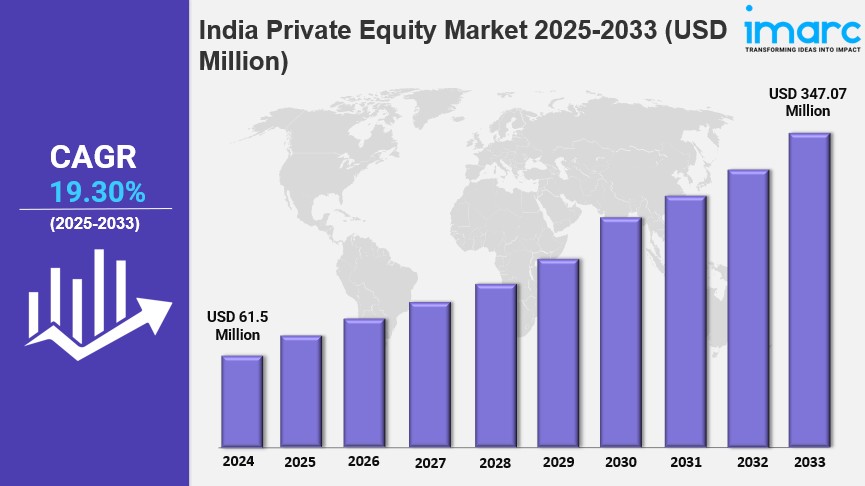
The India private equity market size was valued at USD 61.5 Million in 2024. Looking forward, IMARC Group estimates the market to reach USD 347.07 Million by 2033, exhibiting a CAGR of 19.30% from 2025-2033. The market is witnessing significant growth, fueled by economic expansion, a thriving startup ecosystem, and increasing investor confidence. Key trends include a surge in technology and healthcare investments, with major firms focusing on sustainable and impact-driven funding.

Key Market Highlights:

✔️ Strong growth driven by economic expansion and investor confidence
✔️ Rising investments in technology, healthcare, and consumer sectors
✔️ Growing focus on sustainable and impact-driven private equity funding

Request for a sample copy of this report: https://www.imarcgroup.com/india-private-equity-market/requestsample

India Private Equity Market Trends and Drivers:

The India private equity market is experiencing a significant transformation, particularly in its focus on technology startups. This shift is largely driven by rapid digital advancements across various sectors, with e-commerce, fintech, and health tech emerging as key areas of investment. Investors are increasingly channeling funds into innovative companies that utilize technology to address real-world challenges. This trend is supported by a growing middle class, rising internet penetration, and a youthful demographic eager to embrace digital solutions. The demand for tech-centric businesses is resulting in higher valuations and intensifying competition among private equity firms striving to secure stakes in promising startups. As these companies showcase scalability and the potential for substantial returns, the private equity landscape is becoming more dynamic, with firms actively diversifying their portfolios to include this vibrant sector.

Another significant trend in the India private equity market is the heightened focus on sustainable and impact investing. Investors are becoming more conscious of the social and environmental consequences of their investments, leading to a shift towards businesses that prioritize sustainability. This movement is influenced by regulatory changes, evolving consumer preferences, and the understanding that sustainable practices can enhance long-term profitability. Private equity firms are increasingly seeking opportunities in sectors like renewable energy, waste management, and sustainable agriculture. Consequently, the market is witnessing the rise of funds dedicated to impact investing, which aim not only for financial returns but also for positive social and environmental outcomes. This shift is reshaping the investment landscape, encouraging companies to adopt responsible practices that align with global sustainability goals.

The private equity fundraising landscape in India is also evolving, with a noticeable increase in alternative strategies such as co-investments, secondary funds, and fund-of-funds. Traditional fundraising methods are being complemented by these innovative approaches, enabling investors to diversify their exposure and optimize returns. Co-investments, where limited partners invest alongside private equity funds, are gaining popularity due to reduced fees and enhanced control over investment decisions. Furthermore, secondary funds are becoming more prevalent as they offer liquidity options for investors looking to exit their positions in existing funds. This diversification in fundraising strategies reflects a maturing private equity market in India, where investors are seeking more flexible and tailored investment opportunities to navigate the complexities of the economic landscape.

The India private equity market is undergoing transformative changes, characterized by increased capital inflows and evolving investor sentiments. In recent years, especially around 2025, there has been a notable rise in the number of private equity firms entering the Indian market, drawn by the country’s robust economic growth and favorable demographic trends. This influx of capital is not only enhancing the availability of funds for businesses but also intensifying competition among investors, leading to higher valuations and more aggressive deal-making strategies. The focus is increasingly shifting towards sectors that align with the country’s growth narrative, such as technology, healthcare, and renewable energy. The emergence of unicorns and the success of startups are capturing the attention of private equity firms, prompting them to invest in early-stage companies with high growth potential. Additionally, regulatory reforms and government initiatives aimed at creating a conducive investment environment are further strengthening the private equity landscape.

As the market matures, trends such as increased interest in impact investing and the adoption of alternative fundraising strategies are becoming more prominent, indicating a sophisticated approach to investment that balances financial returns with social responsibility. Overall, the Indian private equity market is well-positioned for continued growth, driven by innovation, strategic partnerships, and a commitment to sustainable development.

India Private Equity Market Segmentation:

The market report offers a comprehensive analysis of the segments, highlighting those with the largest India private equity report. It includes forecasts for the period 2025-2033 and historical data from 2019-2024 for the following segments.

Study Period:

Base Year: 2024

Historical Year: 2019-2024

Forecast Year: 2025-2033

Breakup by Fund Type:

  • Buyout
  • Venture Capital (VCs)
  • Real Estate
  • Infrastructure
  • Others

Breakup by Region:

  • South India
  • North India
  • West and Central India
  • East India

Competitive Landscape:

The market research report offers an in-depth analysis of the competitive landscape, covering market structure, key player positioning, top winning strategies, a competitive dashboard, and a company evaluation quadrant. Additionally, detailed profiles of all major companies are included.

Contact Us: 

IMARC Group

134 N 4th St. Brooklyn, NY 11249, USA

Email: sales@imarcgroup.com

Tel No:(D) +91 120 433 0800

United States: +1-631-791-1145
India Switchgear Market Report 2025 Edition: Industry Market Size, Share, Growth and Competitor Analysis

India Switchgear Market Report 2025 Edition: Industry Market Size, Share, Growth and Competitor Analysis

Market Overview 2025-2033

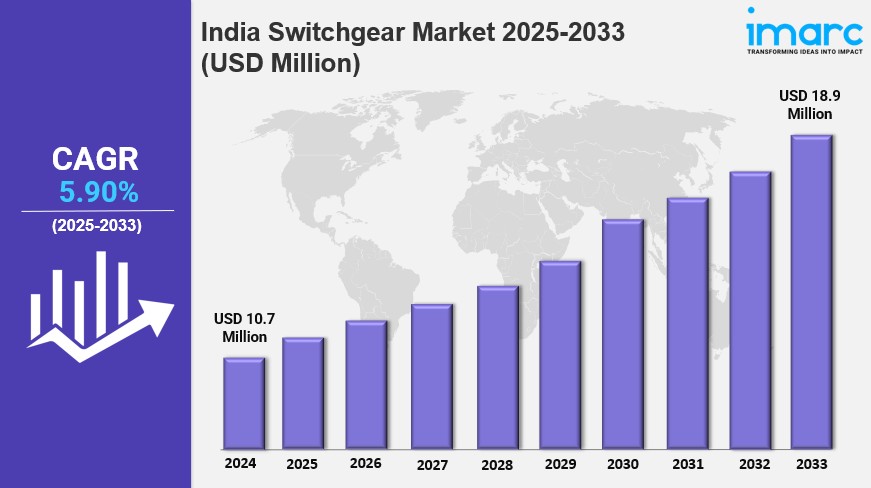
The switchgear market in India size reached USD 10.7 Million in 2024. Looking forward, IMARC Group expects the market to reach USD 18.9 Million by 2033, exhibiting a growth rate (CAGR) of 5.90% during 2025-2033. The market is growing rapidly, driven by increasing electricity demand, urbanization, and infrastructure development. Key trends include a shift toward smart and digital switchgear, rising investments in renewable energy integration, and advancements in safety features.

Key Market Highlights:

✔️ Strong growth driven by rising electricity demand & urbanization
✔️ Increasing adoption of smart and digital switchgear solutions
✔️ Growing focus on renewable energy integration and grid modernization
✔️ Advancements in safety features and compact switchgear designs
✔️ Expanding investments in industrial and infrastructure development

Request for a sample copy of the report: https://www.imarcgroup.com/india-switchgear-market/requestsample

India Switchgear Market Trends and Drivers:

The shift towards renewable energy sources is a critical factor influencing the India switchgear market. With the government’s ambitious goal of increasing the renewable energy share in the energy mix, there is a notable rise in investments in solar and wind energy projects. This transition requires advanced switchgear solutions capable of efficiently managing fluctuating loads and integrating renewable energy into the grid. As India targets 450 GW of renewable energy capacity by 2030, the demand for high-voltage switchgear that ensures safety and reliability is becoming increasingly important. Moreover, the growing emphasis on smart grids and energy management systems further propels the need for innovative switchgear technologies that enhance operational efficiency and reliability. This trend not only stimulates the switchgear market but also aligns with India’s commitment to reducing carbon emissions and fostering sustainable energy practices.

Rapid urbanization and infrastructure development are key dynamics shaping the India switchgear market. As cities grow and new urban centers emerge, there is an escalating demand for reliable electrical infrastructure to support residential, commercial, and industrial needs. Government initiatives like the Smart Cities Mission and Housing for All are accelerating infrastructure projects that necessitate robust electrical systems, including switchgear. The rising urban population demands efficient power distribution and management solutions, leading to increased adoption of medium and low-voltage switchgear. Furthermore, the surge in construction activities in metropolitan areas requires the installation of advanced switchgear to ensure safety and compliance with modern electrical standards. As urbanization continues, the demand for switchgear solutions capable of handling high load capacities and providing seamless power distribution will remain strong.

Technological innovations are revolutionizing the switchgear landscape in India, driving the market toward smarter and more efficient solutions. Developments such as digital switchgear, which integrates IoT capabilities, enable real-time monitoring and control of electrical systems. These smart solutions enhance operational efficiency, reduce downtime, and improve maintenance practices, addressing the evolving needs of the energy sector. As utilities and industries strive to optimize their operations and cut costs, the adoption of intelligent switchgear is becoming increasingly common. Additionally, advancements in materials and design are leading to the creation of compact and lightweight switchgear, which is particularly advantageous in space-constrained environments.

As the market progresses towards automation and digitalization, the demand for technologically advanced switchgear solutions is expected to rise, positioning India as a significant player in the global switchgear market. The India switchgear market is witnessing notable trends influenced by various factors, including regulatory changes, technological advancements, and evolving consumer preferences. A key trend is the increasing focus on energy efficiency and sustainability. With the government’s commitment to a cleaner energy future, there is a strong push for the adoption of energy-efficient switchgear solutions that minimize losses and enhance grid reliability. This trend is further supported by initiatives promoting renewable energy, which require switchgear that can seamlessly integrate with solar and wind power systems.

Additionally, the market is experiencing a shift towards digitalization, with more utilities and industries investing in smart switchgear that enables real-time monitoring and predictive maintenance. By 2025, the integration of IoT and AI technologies in switchgear is anticipated to transform how electrical systems are managed, offering enhanced operational insights and minimizing downtime. Furthermore, the demand for modular and scalable switchgear systems is increasing, allowing for design and installation flexibility to meet the diverse needs of various sectors. As the market evolves, these trends will play a crucial role in shaping the future of the switchgear market in India, driving innovation and growth in the years ahead.

India Switchgear Market Segmentation:

The report segments the market based on product type, distribution channel, and region:

Study Period:

Base Year: 2024

Historical Year: 2019-2024

Forecast Year: 2025-2033

Breakup by Voltage Type:

  • Low-Voltage
  • Medium-Voltage
  • High-Voltage

Breakup by Insulation:

  • Gas Insulated Switchgear (GIS)
  • Air Insulated Switchgear (AIS)
  • Others

Breakup by Installation:

  • Indoor
  • Outdoor

Breakup by End Use:

  • Commercial
  • Residential
  • Industrial

Breakup by Region:

  • North India
  • West and Central India
  • South India
  • East India

Competitive Landscape:

The market research report offers an in-depth analysis of the competitive landscape, covering market structure, key player positioning, top winning strategies, a competitive dashboard, and a company evaluation quadrant. Additionally, detailed profiles of all major companies are included.

Contact Us: 

IMARC Group

134 N 4th St. Brooklyn, NY 11249, USA

Email: sales@imarcgroup.com

Tel No:(D) +91 120 433 0800

United States: +1-631-791-1145
Vietnam Ceramic Tiles Market Report 2025 Edition: Industry Market Size, Share, Growth and Competitor Analysis

Vietnam Ceramic Tiles Market Report 2025 Edition: Industry Market Size, Share, Growth and Competitor Analysis

Market Overview 2025-2033

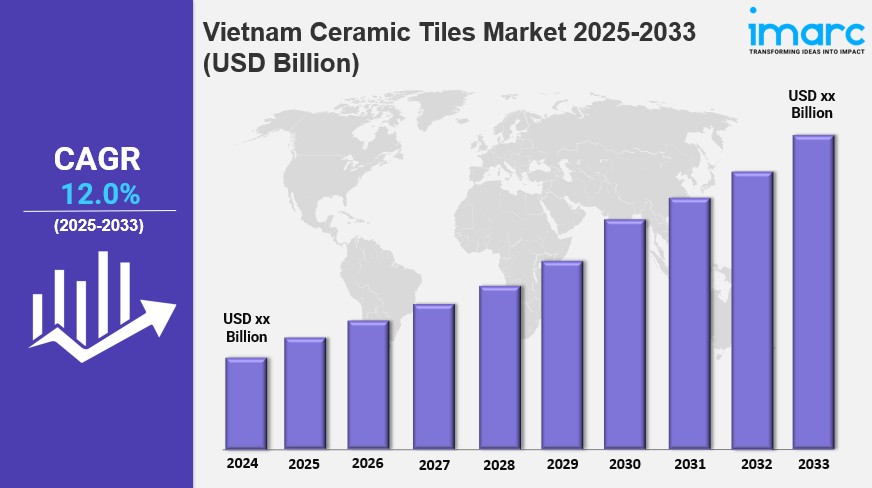
The Vietnam ceramic tiles market size is projected to exhibit a growth rate (CAGR) of 12% during 2025-2033. The market is witnessing significant growth, fueled by rapid urbanization, infrastructure development, and rising consumer preferences for aesthetically appealing and durable flooring solutions. Key trends include the increasing adoption of digital printing technology, eco-friendly manufacturing practices, and the growing demand for large-format and glazed tiles.

Key Market Highlights:

✔️ Strong market expansion driven by urbanization and infrastructure development
✔️ Growing preference for aesthetically appealing and durable ceramic tiles
✔️ Increasing adoption of advanced digital printing and eco-friendly manufacturing
✔️ Rising demand for large-format, glazed, and high-performance tiles
✔️ Major players focusing on innovation, sustainability, and distribution expansion

Request for a sample copy of the report: https://www.imarcgroup.com/vietnam-ceramic-tiles-market/requestsample

Vietnam Ceramic Tiles Market Trends and Drivers:

Vietnam is currently experiencing rapid urbanization, which significantly influences the Vietnam ceramic tiles market. As more individuals migrate to urban areas, the demand for residential and commercial properties increases, leading to a heightened need for construction materials, including ceramic tiles. The Vietnamese government has prioritized infrastructure development, investing in housing, roads, and public facilities to accommodate the growing population. This surge in construction activity has resulted in an increased demand for aesthetically pleasing and durable flooring options, with ceramic tiles being a favored choice due to their versatility and low maintenance requirements. Additionally, urbanization is driving a trend toward modern architectural designs that emphasize both style and functionality, further propelling the ceramic tile market. As cities expand and new projects emerge, the demand for ceramic tiles is expected to rise continuously, creating opportunities for manufacturers and suppliers to innovate and broaden their product offerings.

Another significant dynamic in the Vietnam ceramic tiles market is the growing consumer preference for aesthetically appealing and sustainable products. As the middle class expands and disposable incomes rise, consumers are becoming more selective about the materials they choose for their homes and businesses. This shift in behavior is driving demand for ceramic tiles that not only offer durability but also enhance the overall aesthetic of living spaces. Furthermore, there is an increasing awareness of environmental issues, leading consumers to favor eco-friendly tiles made from sustainable materials and production processes. Manufacturers are responding to this trend by developing innovative products that incorporate recycled materials and minimize environmental impact. The emphasis on design, color variety, and texture is also influencing purchasing decisions, with consumers seeking unique and stylish options that reflect their personal tastes. As these preferences evolve, the ceramic tile market in Vietnam is adapting to meet the demand for high-quality, sustainable, and visually appealing products.

Technological advancements are transforming production processes within the Vietnam ceramic tiles market, enhancing both efficiency and product quality. The introduction of modern manufacturing techniques, such as digital printing and automated production lines, has revolutionized tile production. Digital printing technology allows for intricate designs and patterns to be applied to tiles, offering endless customization options for consumers. Additionally, automation in production processes reduces labor costs and improves consistency in product quality, enabling manufacturers to meet growing demand more effectively. These advancements also allow companies to produce larger quantities of tiles in shorter timeframes, thereby increasing overall productivity. Moreover, innovations in glazing and finishing techniques have improved the durability and aesthetic appeal of ceramic tiles, making them more competitive against other flooring materials. As technology continues to evolve, the Vietnamese ceramic tiles market is likely to see further enhancements in production capabilities, driving growth and expanding market opportunities.

The Vietnam ceramic tiles market is undergoing several key trends that are shaping its future landscape. One of the most significant trends is the increasing focus on eco-friendly and sustainable products, which is expected to gain momentum by 2025. As consumers become more environmentally conscious, manufacturers are adopting sustainable practices in tile production, including the use of recycled materials and energy-efficient manufacturing processes. Additionally, the rise of e-commerce is changing how consumers shop for ceramic tiles, with online platforms providing greater access to a wide variety of products. This shift encourages manufacturers to enhance their digital presence and offer online purchasing options. Furthermore, the demand for high-quality, aesthetically pleasing tiles is driving innovation in design and technology, allowing for greater customization and personalization in products. As these trends continue to evolve, the Vietnamese ceramic tiles market is well-positioned for growth, driven by a combination of consumer preferences, technological advancements, and a commitment to sustainability.

Vietnam Ceramic Tiles Market Segmentation:

The report segments the market based on product type, distribution channel, and region:

Study Period:

Base Year: 2024

Historical Year: 2019-2024

Forecast Year: 2025-2033

Breakup by Product:

  • Glazed
  • Porcelain
  • Scratch Free
  • Others

Breakup by Construction Type:

  • New Construction
  • Replacement and Renovation

Breakup by Application:

  • Floor Tiles
  • Wall Tiles
  • Others

Breakup by End User:

  • Residential
  • Commercial

Breakup by Region:

  • Northern Vietnam
  • Central Vietnam
  • Southern Vietnam

Competitive Landscape:

The market research report offers an in-depth analysis of the competitive landscape, covering market structure, key player positioning, top winning strategies, a competitive dashboard, and a company evaluation quadrant. Additionally, detailed profiles of all major companies are included.

Contact Us: 

IMARC Group

134 N 4th St. Brooklyn, NY 11249, USA

Email: sales@imarcgroup.com

Tel No:(D) +91 120 433 0800

United States: +1-631-791-1145
India Payment Gateways Market Overview, Industry Growth Rate, Research Report by 2032

India Payment Gateways Market Overview, Industry Growth Rate, Research Report by 2032

Market Overview 2024-2032

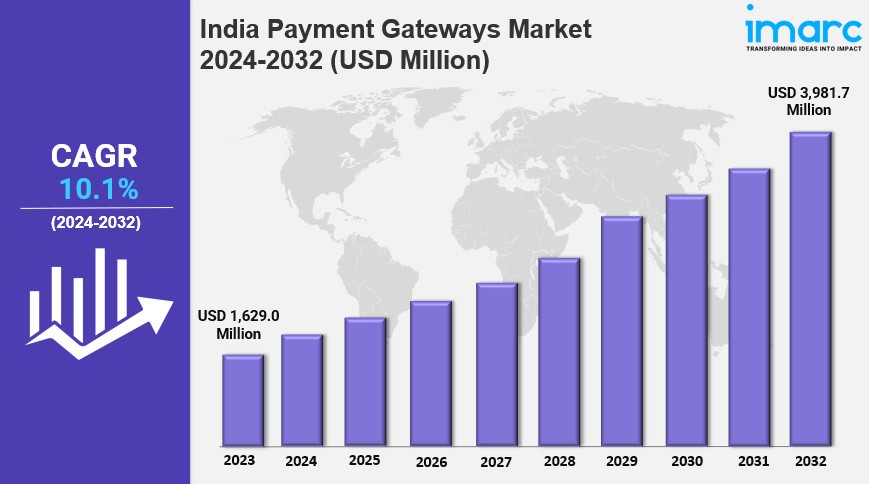
The payment gateway market in India size reached US$ 1,629.0 Million in 2023. Looking forward, IMARC Group expects the market to reach US$ 3,981.7 Million by 2032, exhibiting a growth rate (CAGR) of 10.1% during 2024-2032. The market is witnessing significant expansion, fueled by the surge in digital transactions, e-commerce growth, and government initiatives promoting cashless payments. Key trends include the adoption of UPI-based solutions, enhanced security features, and seamless integration with various payment methods. Leading players are focusing on AI-driven fraud detection, faster transaction processing, and user-friendly interfaces to improve the payment experience.

Key Market Highlights:

✔️ Strong growth driven by digital transactions & e-commerce expansion
✔️ Rapid adoption of UPI and contactless payment solutions
✔️ Enhanced security measures and AI-driven fraud prevention
✔️ Growing fintech ecosystem fostering innovation & partnerships
✔️ Increasing smartphone penetration boosting digital payment adoption
✔️ Seamless integration with multiple payment methods for user convenience

Request for a sample copy of the report: https://www.imarcgroup.com/india-payment-gateways-market/requestsample

India Payment Gateways Market Trends and Drivers:

The rapid adoption of digital payments is significantly transforming the India payment gateways market. The increasing prevalence of smartphones and improved internet connectivity are driving a surge in cashless transactions. Government initiatives, notably the Digital India campaign, are accelerating this trend. By 2024, digital payment transactions are projected to reach unprecedented levels, fueled by the convenience and speed of digital wallets and the Unified Payments Interface (UPI). The COVID-19 pandemic has further changed consumer shopping behaviors, leading to a heightened demand for contactless payment solutions. Consequently, payment gateways are enhancing security features and ensuring seamless integration across platforms for both merchants and consumers.

The booming e-commerce sector in India serves as a major catalyst for the India payment gateways market. With more consumers shopping online, especially post-pandemic, businesses are investing in robust payment solutions to facilitate smooth transactions. The e-commerce industry is set for considerable growth in 2024, making payment gateways essential for secure and efficient processing. This trend is particularly advantageous for small and medium enterprises (SMEs), which are increasingly adopting digital payment solutions to expand their reach and improve customer experiences. Additionally, the integration of advanced technologies like AI and machine learning in payment gateways is enabling personalized payment experiences, further driving demand. As a result, the market is becoming more competitive, with new entrants offering innovative payment solutions tailored to the specific needs of e-commerce businesses.

The regulatory landscape is evolving to support the growth of the India payment gateways market. The Reserve Bank of India (RBI) has introduced new guidelines aimed at enhancing the security and efficiency of digital payments. By 2024, payment gateway providers will need to comply with these regulations to maintain consumer trust and ensure smooth operations. Key focus areas now include data protection and cybersecurity, as consumers increasingly demand transparency and security in their transactions. Furthermore, the government is advocating for financial inclusion, encouraging payment gateways to cater to underserved communities. This initiative is leading to the development of innovative solutions that address the unique challenges faced by rural and semi-urban consumers, thereby broadening the overall market potential.

Trends within the India payment gateways market reflect a rapidly evolving digital landscape. Payment gateways are becoming smarter through the adoption of technologies such as AI and blockchain, which enhance security and improve user experience. By 2024, significant innovations, including biometric authentication and real-time fraud detection, are anticipated. Mobile payments, especially through UPI, are reshaping the payment landscape, necessitating that traditional banks and fintech companies adapt swiftly. The rise of subscription services and the gig economy is also driving demand for flexible payment options that facilitate recurring transactions. As competition intensifies, payment gateway providers are adding value by offering services such as analytics and customer insights to differentiate themselves. Overall, advancements in technology, shifting consumer habits, and supportive regulatory measures are key factors propelling growth in India’s payment gateways market.

India Payment Gateways Market Segmentation:

The report segments the market based on product type, distribution channel, and region:

Study Period:

Base Year: 2023

Historical Year: 2018-2023

Forecast Year: 2024-2032

Breakup by Application:

  • Large Enterprises
  • Micro and Small Enterprises
  • Mid-Size Enterprises

Breakup by Mode of Interaction:

  • Hosted Payment Gateways
  • Pro/Self-Hosted Payment Gateways
  • API/Non-Hosted Payment Gateways
  • Local Bank Integrates
  • Direct Payment Gateways
  • Platform-Based Payment Gateways

Breakup by Region:

  • North India
  • West and Central India
  • South India
  • East India

Competitive Landscape:

The market research report offers an in-depth analysis of the competitive landscape, covering market structure, key player positioning, top winning strategies, a competitive dashboard, and a company evaluation quadrant. Additionally, detailed profiles of all major companies are included.

Contact Us: 

IMARC Group

134 N 4th St. Brooklyn, NY 11249, USA

Email: sales@imarcgroup.com

Tel No:(D) +91 120 433 0800

United States: +1-631-791-1145

India Used Truck Market is Booming and Predicted to Hit USD 87.8 Billion by 2033

India Used Truck Market is Booming and Predicted to Hit USD 87.8 Billion by 2033

Market Overview 2025-2033

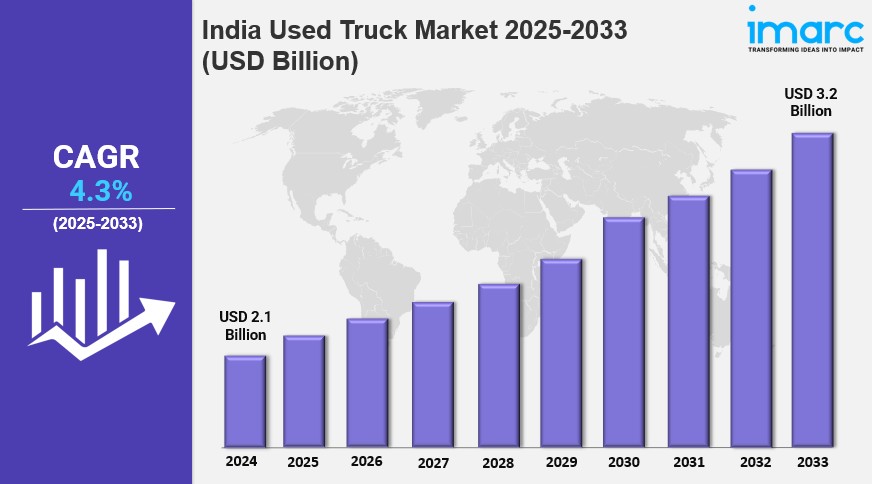
The used truck market in India size reached USD 2.1 Billion in 2024. Looking forward, IMARC Group expects the market to reach USD 3.2 Billion by 2033, exhibiting a growth rate (CAGR) of 4.3% during 2025-2033. The market is witnessing steady growth, driven by rising logistics demand, cost-effectiveness, and expanding e-commerce. Key trends include the increasing adoption of digital platforms for vehicle trading, financing options, and demand for fuel-efficient models. Major players focus on vehicle refurbishment, warranty offerings, and enhanced after-sales services.

Key Market Highlights:

✔️ Strong growth driven by rising logistics needs and cost efficiency
✔️ Growing demand for digital platforms for truck resale and financing
✔️ Increasing focus on vehicle refurbishment and warranty services
✔️ Expanding adoption of fuel-efficient and BS-VI compliant models

Request for a sample copy of the report: https://www.imarcgroup.com/india-used-truck-market/requestsample

India Used Truck Market Trends and Drivers:

The India used truck market is significantly influenced by the country’s economic growth and ongoing infrastructure development initiatives. As India continues to expand its industrial base and urbanize at a rapid pace, the demand for logistics and transportation solutions has surged. The government’s focus on infrastructure projects, such as the construction of highways, bridges, and freight corridors, has created a robust demand for commercial vehicles, including used trucks. Small and medium-sized enterprises (SMEs) are increasingly turning to the used truck market to meet their transportation needs cost-effectively. This trend is driven by the rising costs of new vehicles and the financial constraints faced by many businesses. Additionally, the availability of financing options and attractive loan schemes has further facilitated the purchase of used trucks, making them an appealing choice for many operators. As the economy continues to grow, the demand for used trucks is expected to remain strong, contributing to a vibrant market landscape.

The rapid growth of e-commerce in India is reshaping the dynamics of the used truck market. With the increasing reliance on online shopping, there is a heightened demand for efficient logistics and last-mile delivery solutions. This has led many logistics companies and individual entrepreneurs to seek used trucks as a cost-effective means of expanding their fleets to meet the growing demand for delivery services. The flexibility and affordability of used trucks make them an attractive option for businesses looking to quickly scale their operations without the hefty investment associated with new vehicles. Furthermore, the rise of technology-driven logistics platforms has made it easier for operators to connect with customers and optimize their delivery routes, enhancing the overall efficiency of the supply chain. As e-commerce continues to thrive, the demand for used trucks, particularly those suited for urban deliveries, is expected to grow, driving market trends in this direction.

Regulatory changes and increasing environmental concerns are also shaping the India used truck market. The Indian government has introduced stricter emission norms aimed at reducing pollution levels, which has implications for the types of trucks that can be legally operated on the roads. While this has initially posed challenges for older trucks, it has also created opportunities for the sale of refurbished and compliant used trucks that meet the new standards. As businesses become more environmentally conscious, there is a growing preference for vehicles that are not only cost-effective but also environmentally friendly. This shift is prompting operators to invest in used trucks that utilize cleaner technologies or have undergone retrofitting to comply with emission norms. Additionally, government incentives for green vehicles are encouraging the adoption of eco-friendly options within the used truck market. These regulatory and environmental dynamics are expected to influence purchasing decisions and shape the future of the used truck market in India.

The trends in the India used truck market are evolving rapidly, influenced by economic factors, technological advancements, and changing consumer preferences. As we approach 2025, the market is witnessing a significant increase in the digitization of transactions and the emergence of online platforms that facilitate the buying and selling of used trucks. These platforms provide comprehensive listings, detailed vehicle histories, and user reviews, making it easier for buyers to make informed decisions. Additionally, the trend towards fleet modernization is gaining traction, with many operators opting for used trucks that are relatively new and equipped with advanced features, such as telematics and GPS tracking. This modernization is driven by the need for improved operational efficiency and reduced downtime. Moreover, the growing emphasis on sustainability is influencing purchasing decisions, with buyers increasingly considering the environmental impact of their vehicles. As these trends continue to shape the market, the India used truck segment is poised for significant growth, reflecting the changing landscape of transportation and logistics in the country.

India Used Truck Market Segmentation:

The report segments the market based on product type, distribution channel, and region:

Study Period:

Base Year: 2024

Historical Year: 2019-2024

Forecast Year: 2025-2033

Breakup by Vehicle Type:

  • Light Trucks
  • Medium-duty Trucks
  • Heavy-duty Trucks

Breakup by Sales Channel:

  • Franchised Dealer
  • Independent Dealer
  • Peer-to-Peer

Breakup by End User:

  • Construction
  • Oil and Gas
  • Others

Breakup by Region:

  • South India
  • North India
  • West & Central India
  • East India

Competitive Landscape:

The market research report offers an in-depth analysis of the competitive landscape, covering market structure, key player positioning, top winning strategies, a competitive dashboard, and a company evaluation quadrant. Additionally, detailed profiles of all major companies are included.

Contact Us: 

IMARC Group

134 N 4th St. Brooklyn, NY 11249, USA

Email: sales@imarcgroup.com

Tel No:(D) +91 120 433 0800

United States: +1-631-791-1145